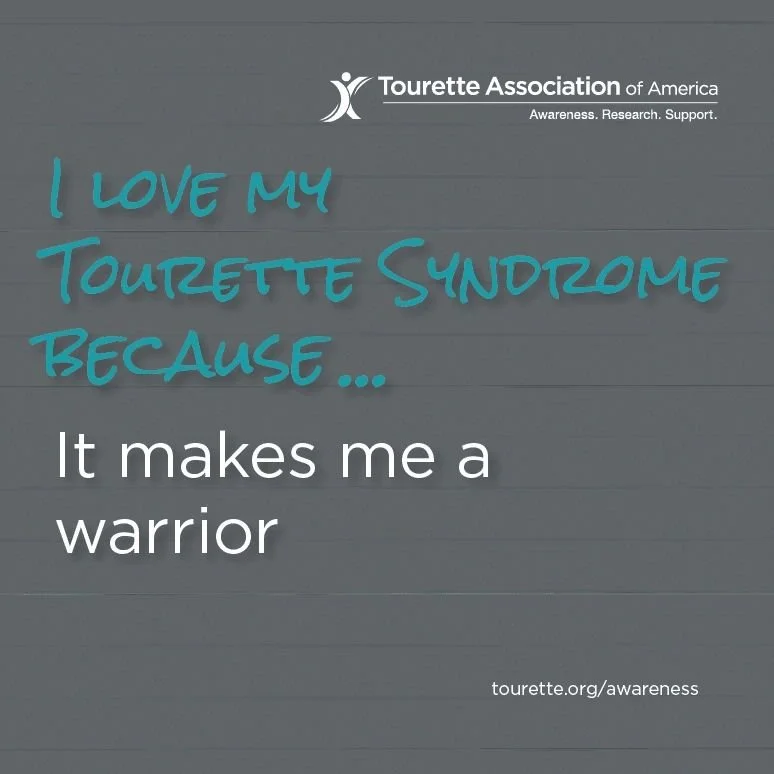

Tourette Syndrome Awareness Month 2026: Embracing Inclusion, Understanding, and Unique Abilities
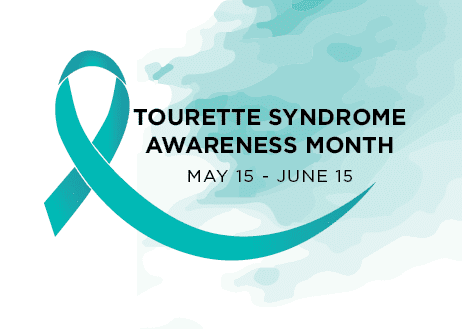
Between May 15 and June 15, Tourette Syndrome Awareness Month provides a vital platform to illuminate a neurological condition that remains frequently misinterpreted despite its profound humanity. While millions across the globe navigate life with Tourette syndrome, many continue to encounter societal stigma, unfair judgment, and systemic obstacles.
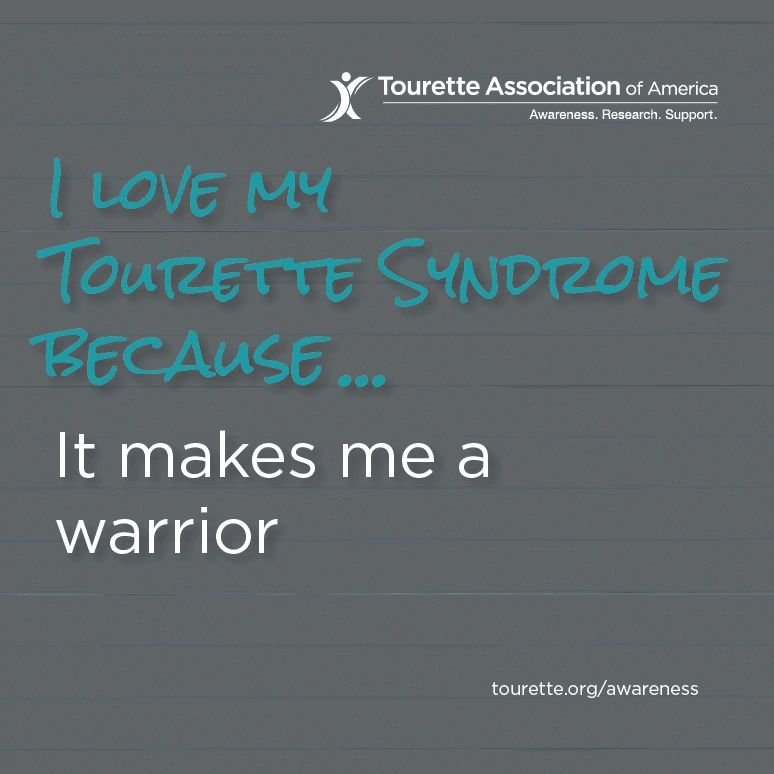
This designated month transcends mere awareness—it is a call for genuine acceptance, radical inclusion, and tangible advocacy.
Adam's journey is defined by his ability to rise above obstacles, far surpassing his professional milestones. Though he has received multiple diagnoses labeled as "disabilities," he refuses to let these terms restrict his potential. Instead, Adam sees himself as a person with a unique perspective and the capacity for significant achievement. He advocates for the idea that we are not "disabled," but rather a collection of individuals whose distinct abilities define our true selves.
In my current role as a dedicated advocate for the Tourette Syndrome community, an inspirational presenter, and the visionary behind Younique Abilities, I embrace my identity with pride.
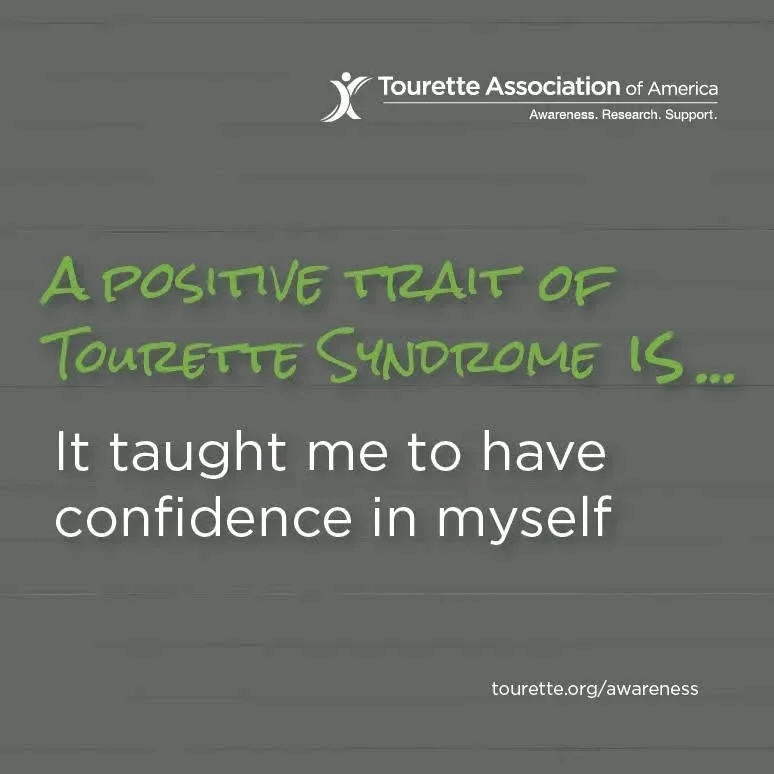
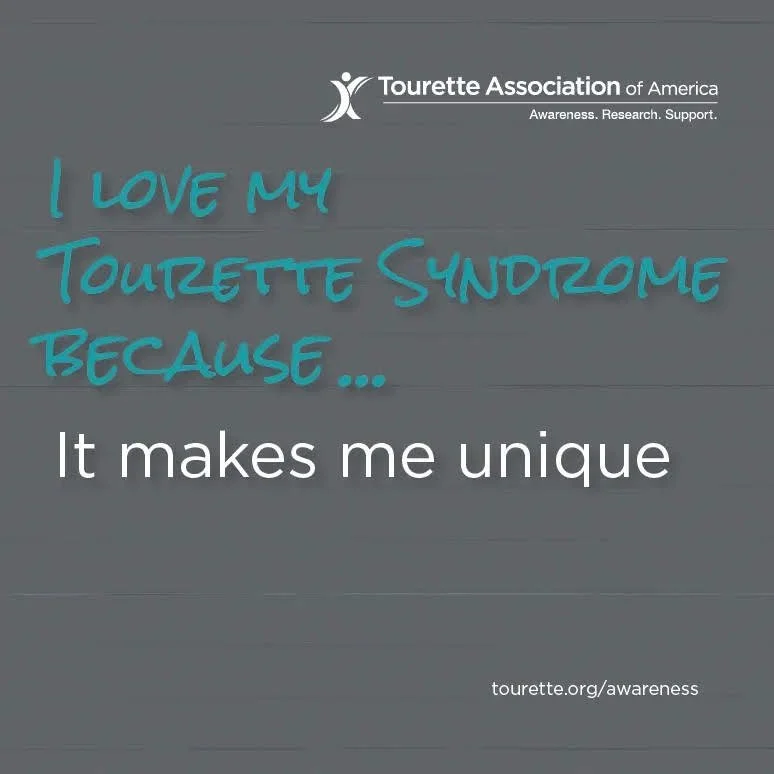
Through my public speaking and grassroots advocacy, I champion a transformative perspective: every individual possesses distinct talents, and our inherent differences serve as our greatest collective strength.
Understanding Tourette Syndrome
Tourette Syndrome (TS) represents a neurological framework characterized by tics—involuntary physical movements or vocalizations, such as rapid blinking, repetitive throat clearing, or complex motor patterns.
It is essential to recognize that these tics are not intentional behaviors; rather, they are a unique manifestation of an individual's neurological experience.
The Imperative of Inclusion
Individuals living with Tourette syndrome deserve equitable professional opportunities, dignity in the workplace, and empathetic social engagement. By fostering inclusive environments, we cultivate more resilient and vibrant communities.
Strategies for Workplace Inclusion
- Implement comprehensive staff education regarding TS
- Prioritize patience and interpersonal respect
- Provide necessary workplace accommodations
- Center on individual competencies rather than limitations
- Cultivate a sustainable culture of belonging
Ways to Champion Awareness
- Deepen your understanding of Tourette Syndrome
- Actively intervene against harassment or bullying
- Lead with intentional kindness
- Provide a supportive space for others to be heard
Defining the Mission
Through my dedicated work in autism and Tourette’s advocacy, I am committed to empowering neurodivergent individuals, advancing inclusion, and shifting the cultural dialogue toward celebrating unique abilities.
A Concluding Reflection
A diagnosis of Tourette Syndrome does not dictate a person's potential or inherent value. The journey toward true inclusion begins with your individual commitment.
Helpful resources:
https://tourette.org/
https://tourettetexas.org/
https://tourette.org/about-tourette/overview/what-is-tourette/
https://tourette.org/research-medical/overview/
https://tourette.org/get-involved/give-donate/
https://www.teamtourette.org/
https://tourette.org/youth-ambassador-program/
About the Author
Adam Farris is an autism and disability advocate, inspirational speaker, and founder of Younique Abilities. Diagnosed with Tourette syndrome at age six and later with autism, Adam has dedicated his life to promoting understanding, inclusion, and the celebration of “unique abilities.” Through speaking engagements, advocacy work, and entrepreneurship, he encourages others to overcome the impossible and imagine the possibilities. Learn more at https://adamfarris.net/
Tourette Syndrome Awareness Month 2026: Embracing Inclusion, Understanding, and Unique Abilities